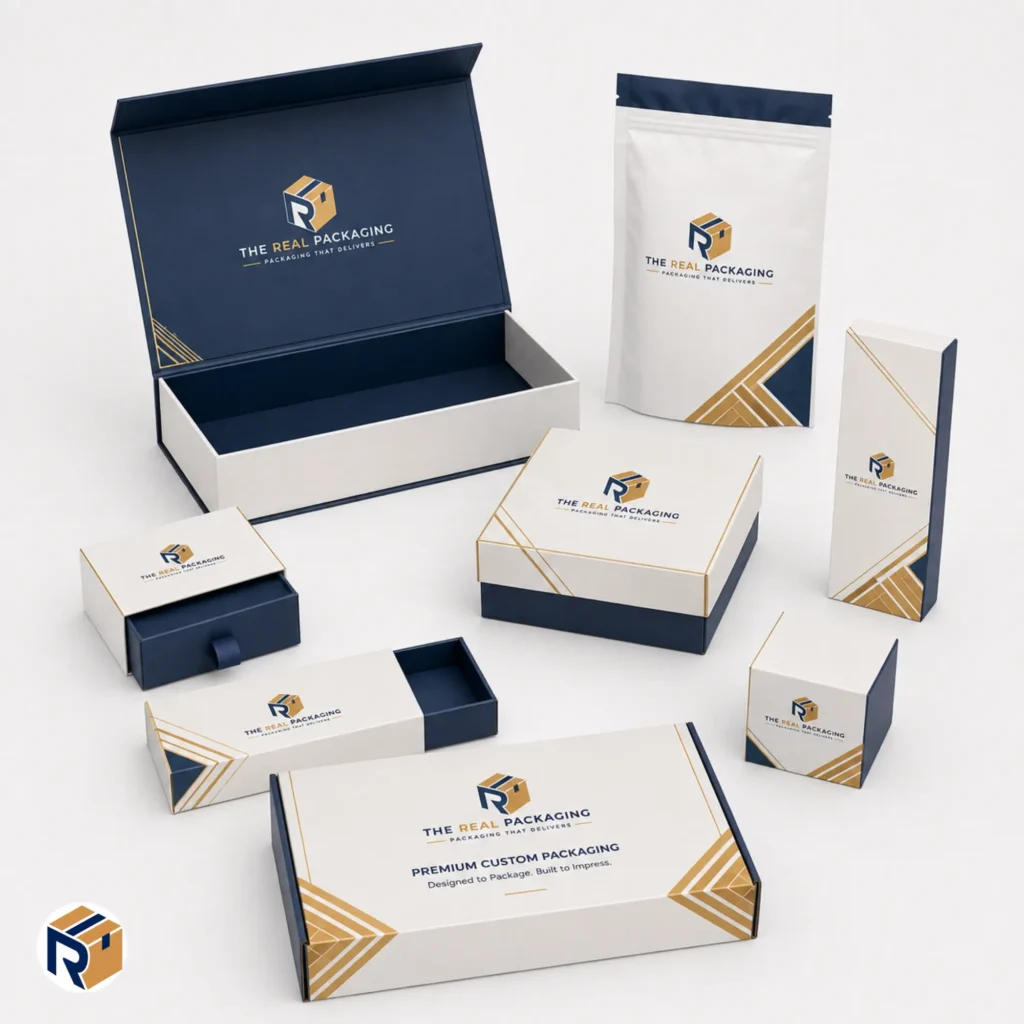
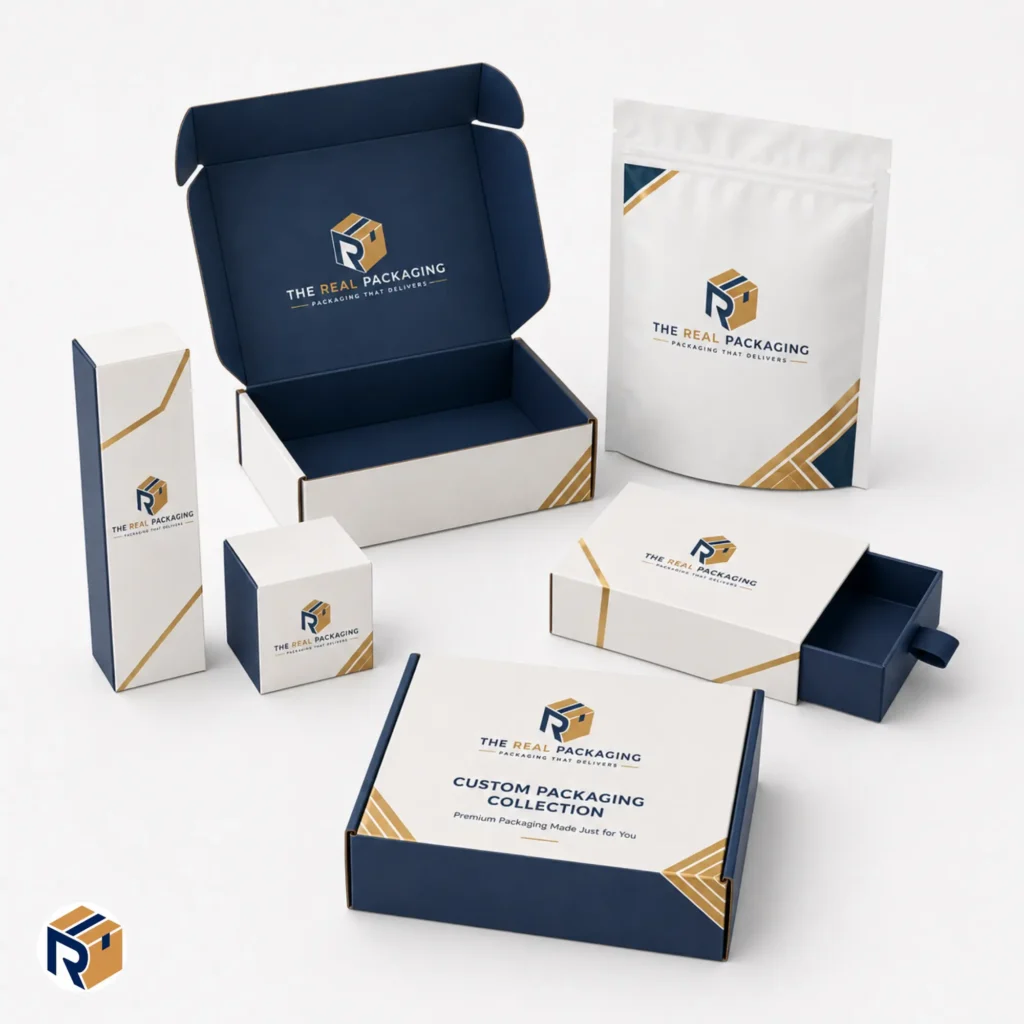
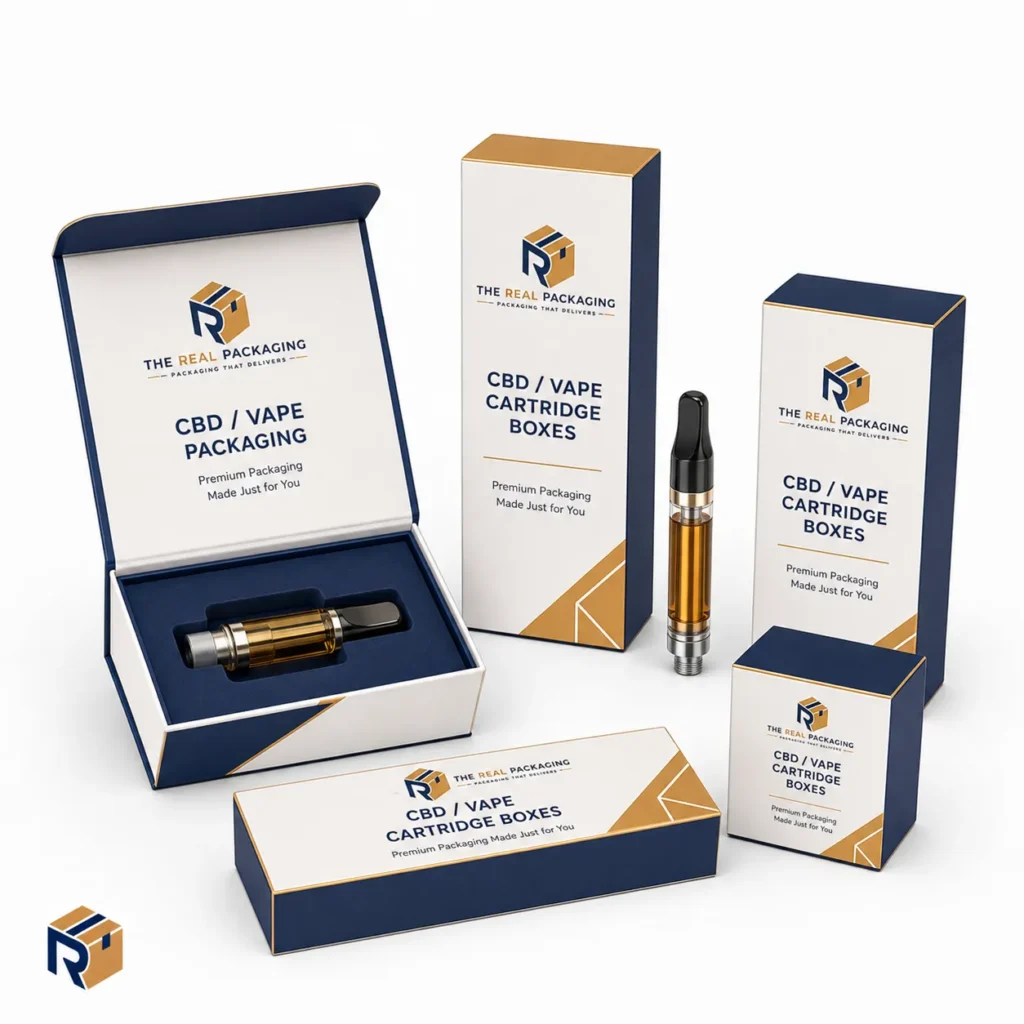
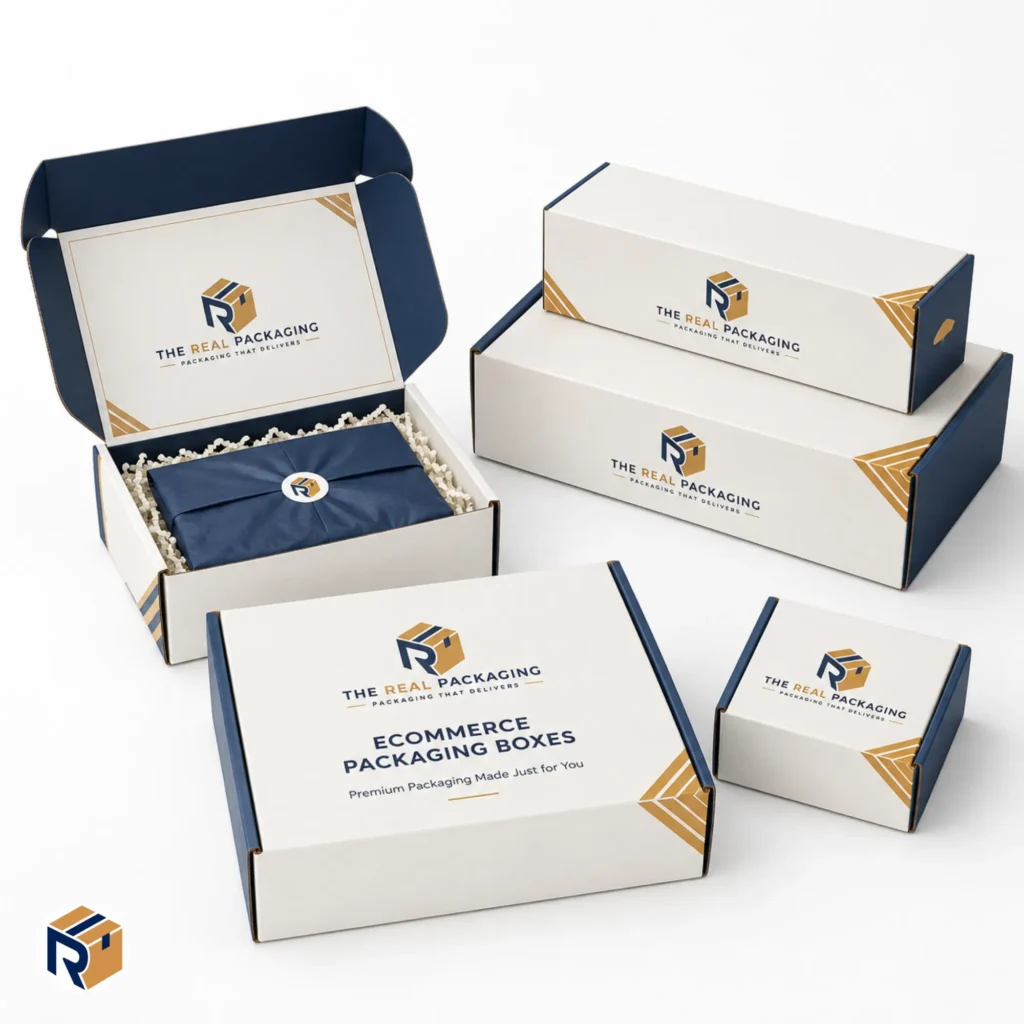
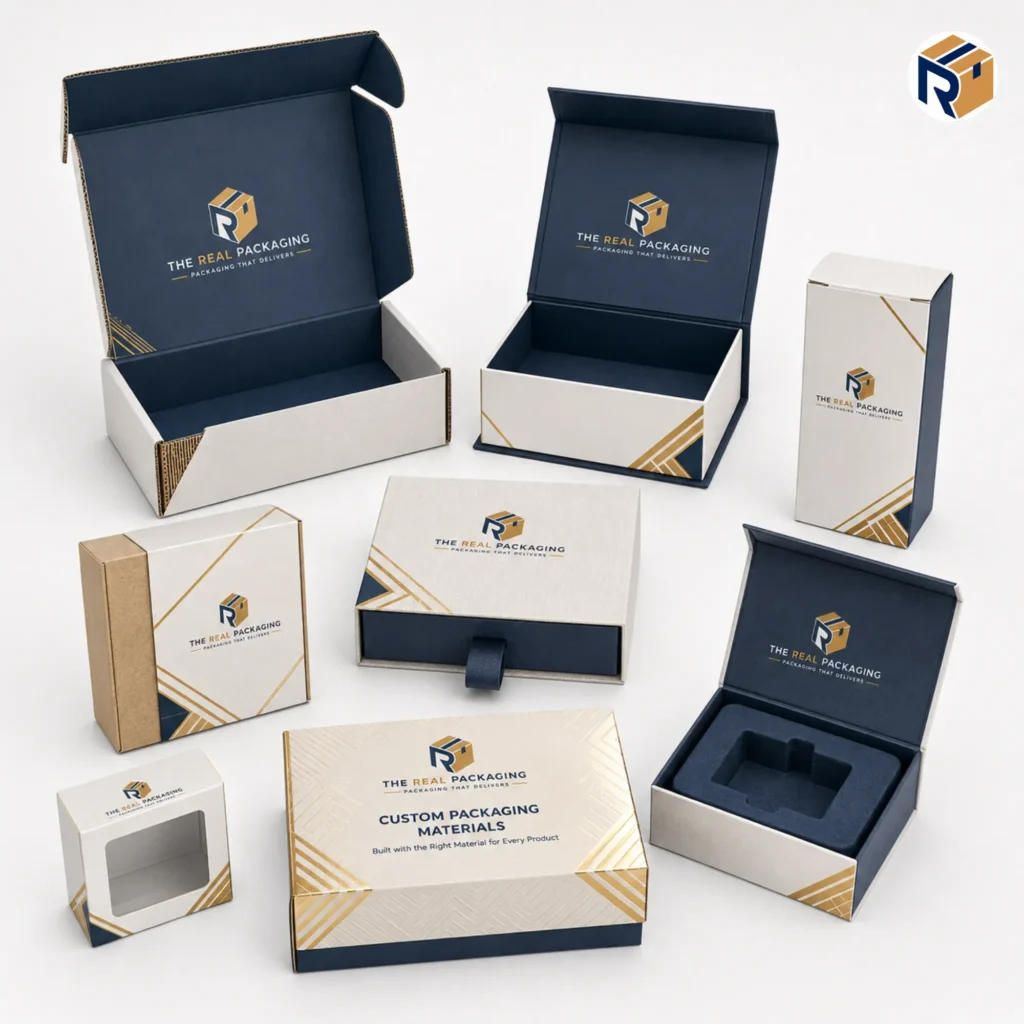
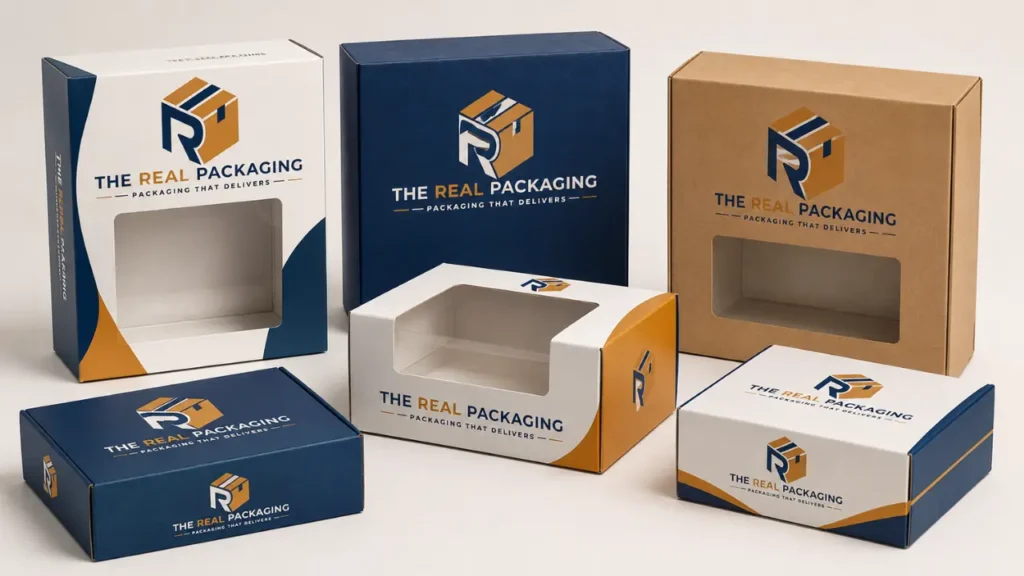
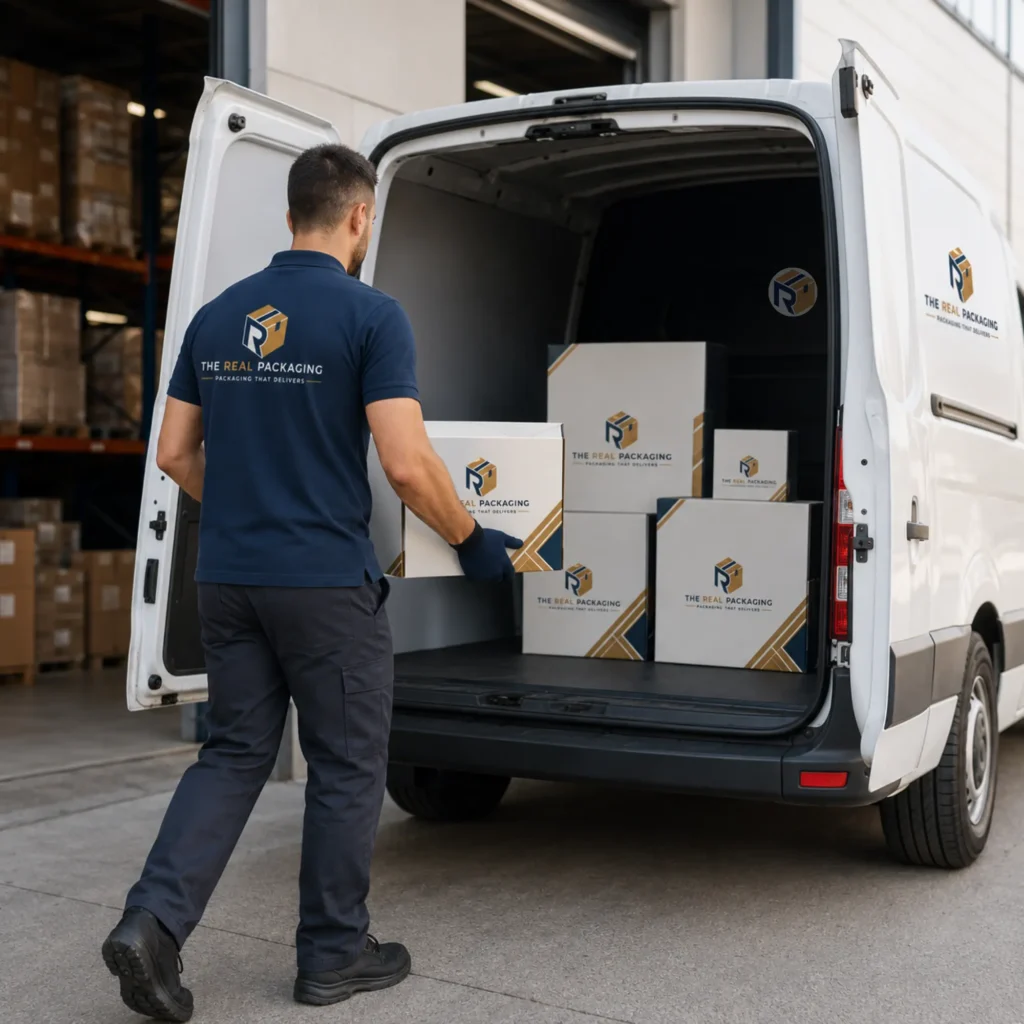
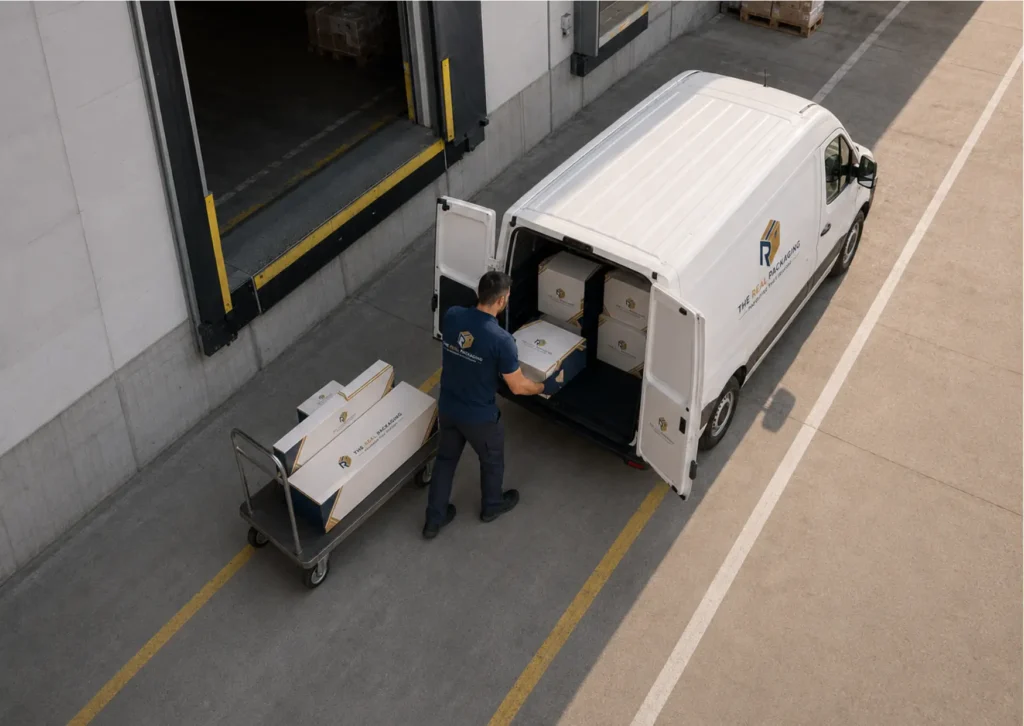
The Real Packaging makes custom packaging boxes for businesses across the USA. The box starts with the product, not with a standard size pulled from a catalog. Your dimensions, quantity, artwork, material, structure, and intended use all affect what the finished packaging should be. Honestly, this is where many packaging orders go wrong. A box can look right on screen and still be the wrong depth, material, or structure once the actual product goes inside. We focus on those details before production so the packaging makes sense for the product it has to hold.
Discover custom packaging styles designed to protect
your products and present your brand with confidence.
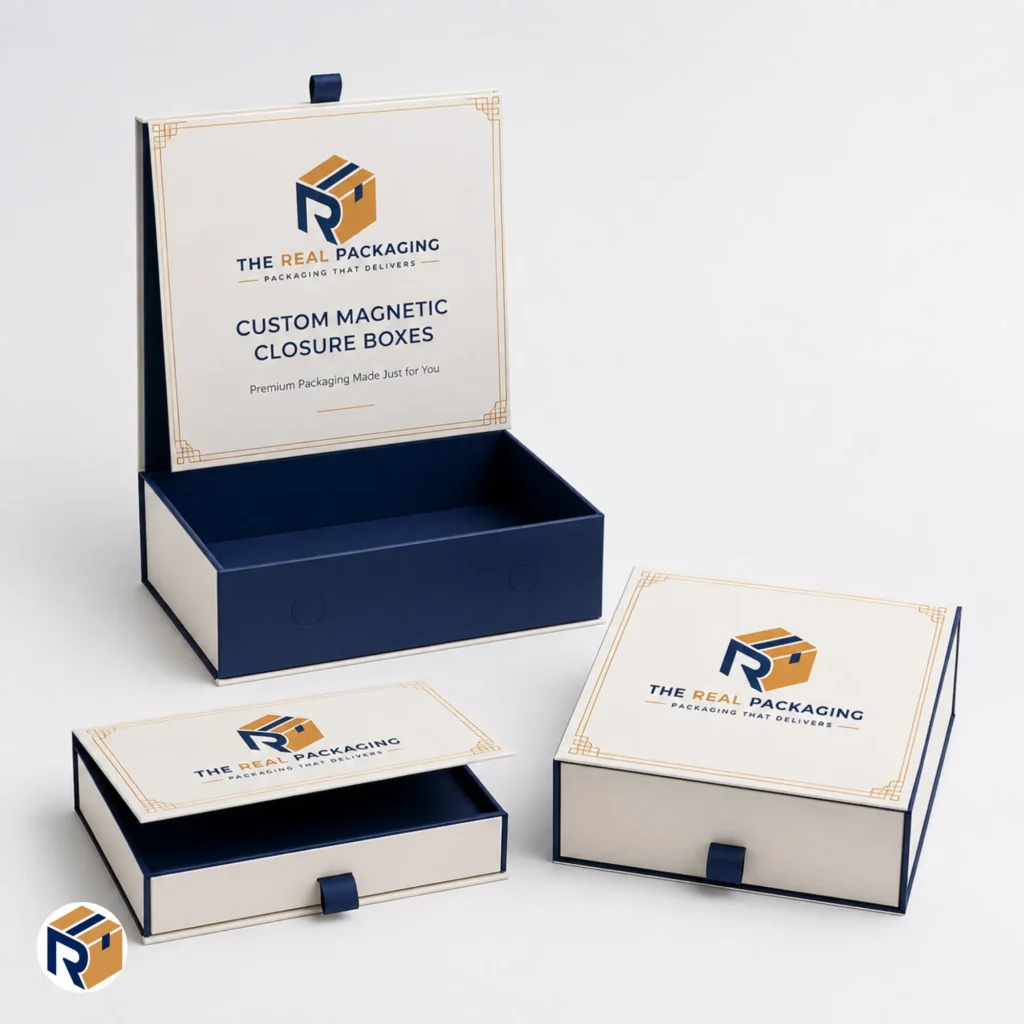
Custom Magnetic Closure Boxes
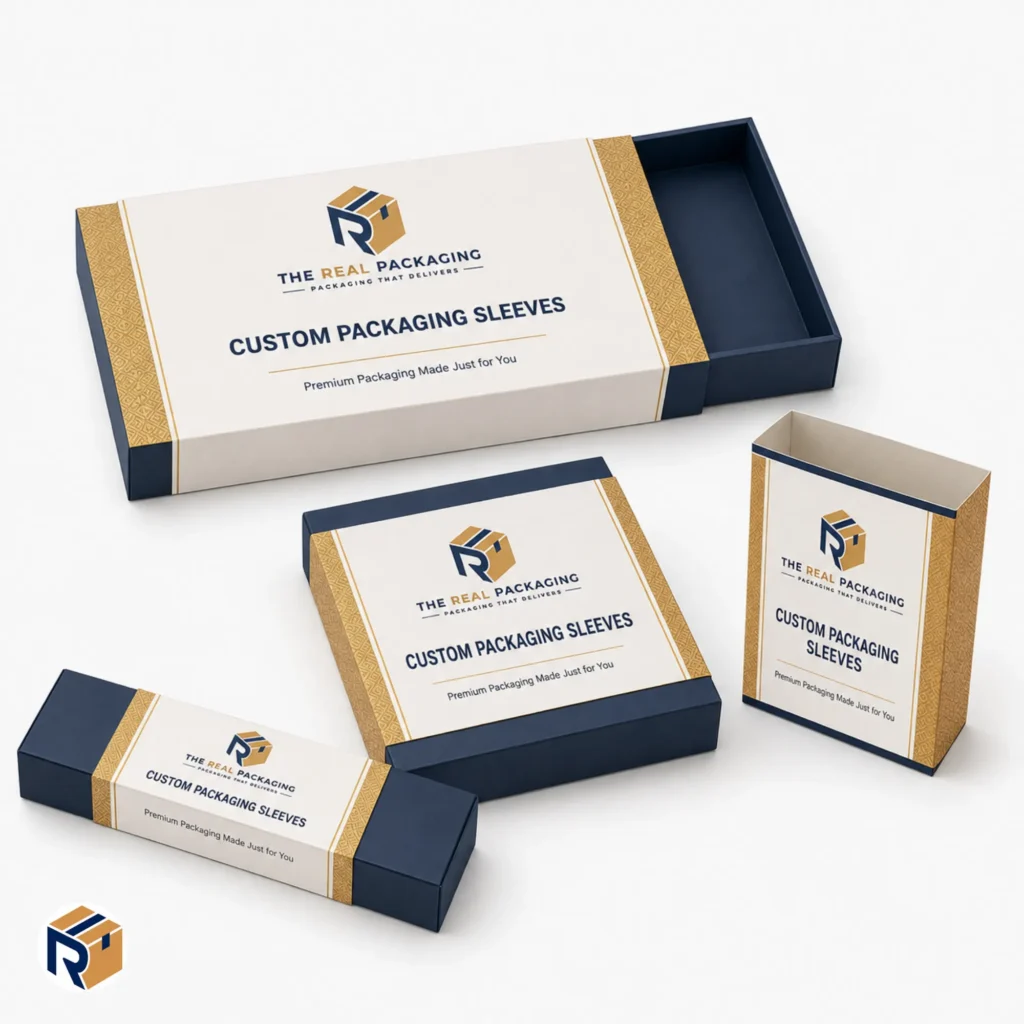
Custom Packaging Sleeves
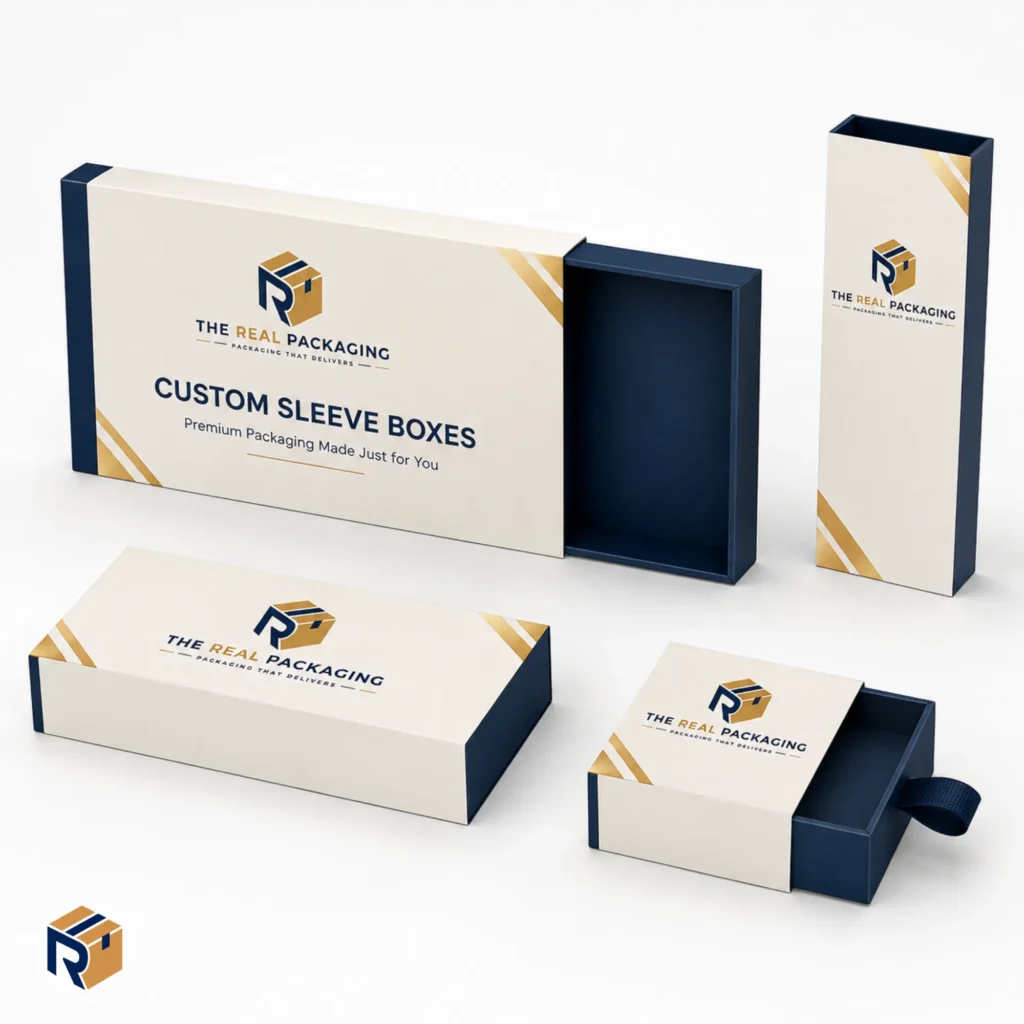
Custom Sleeve Boxes
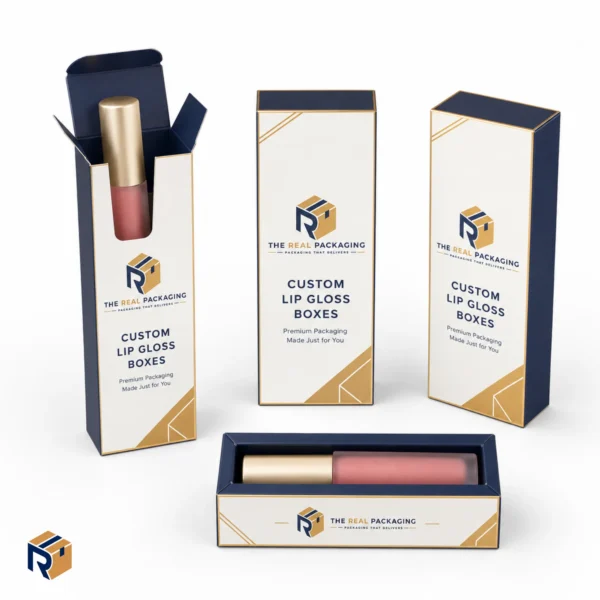
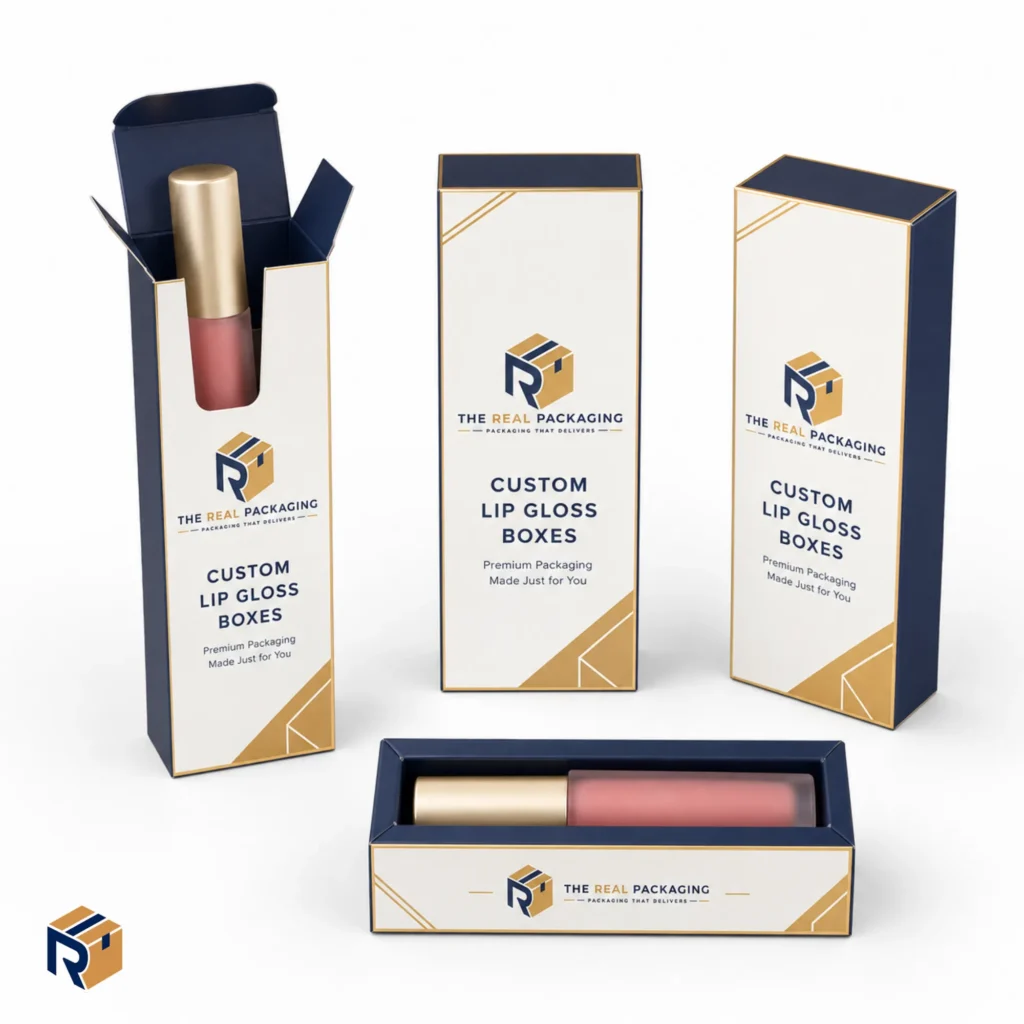
Custom Lip Gloss Boxes
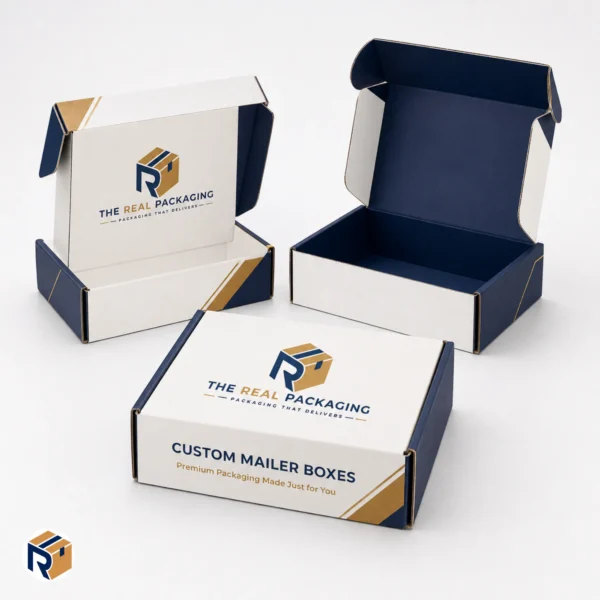
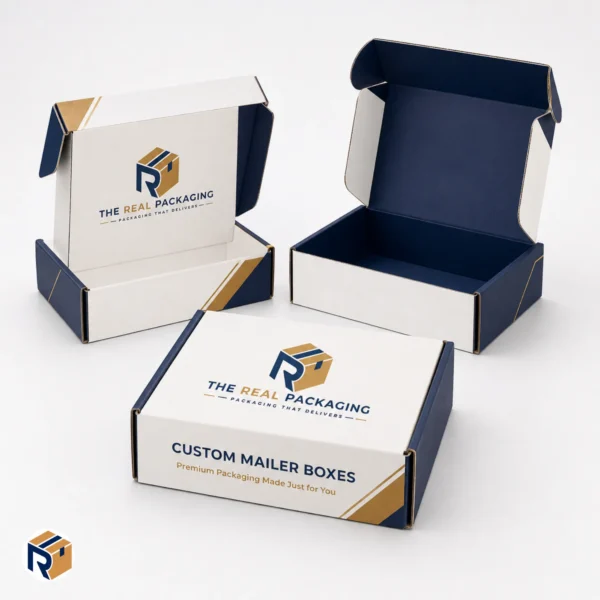
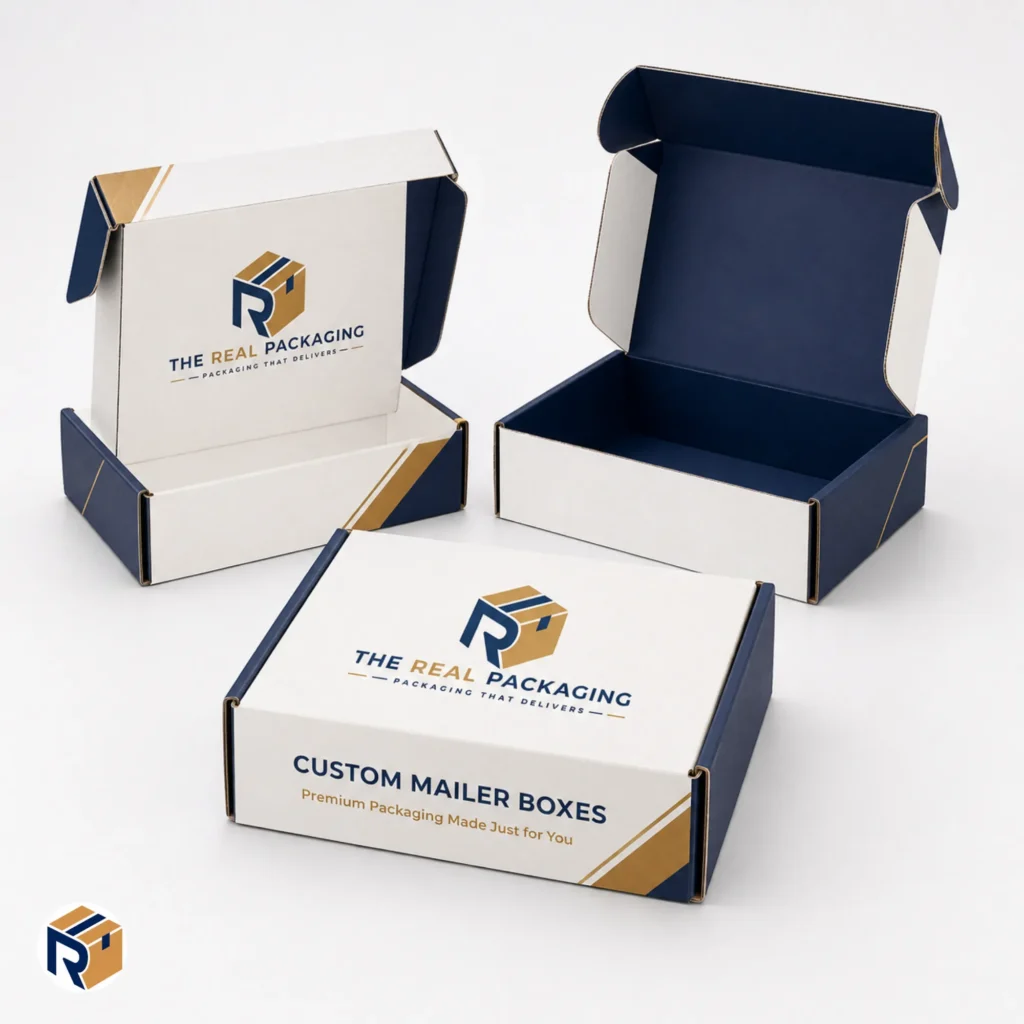
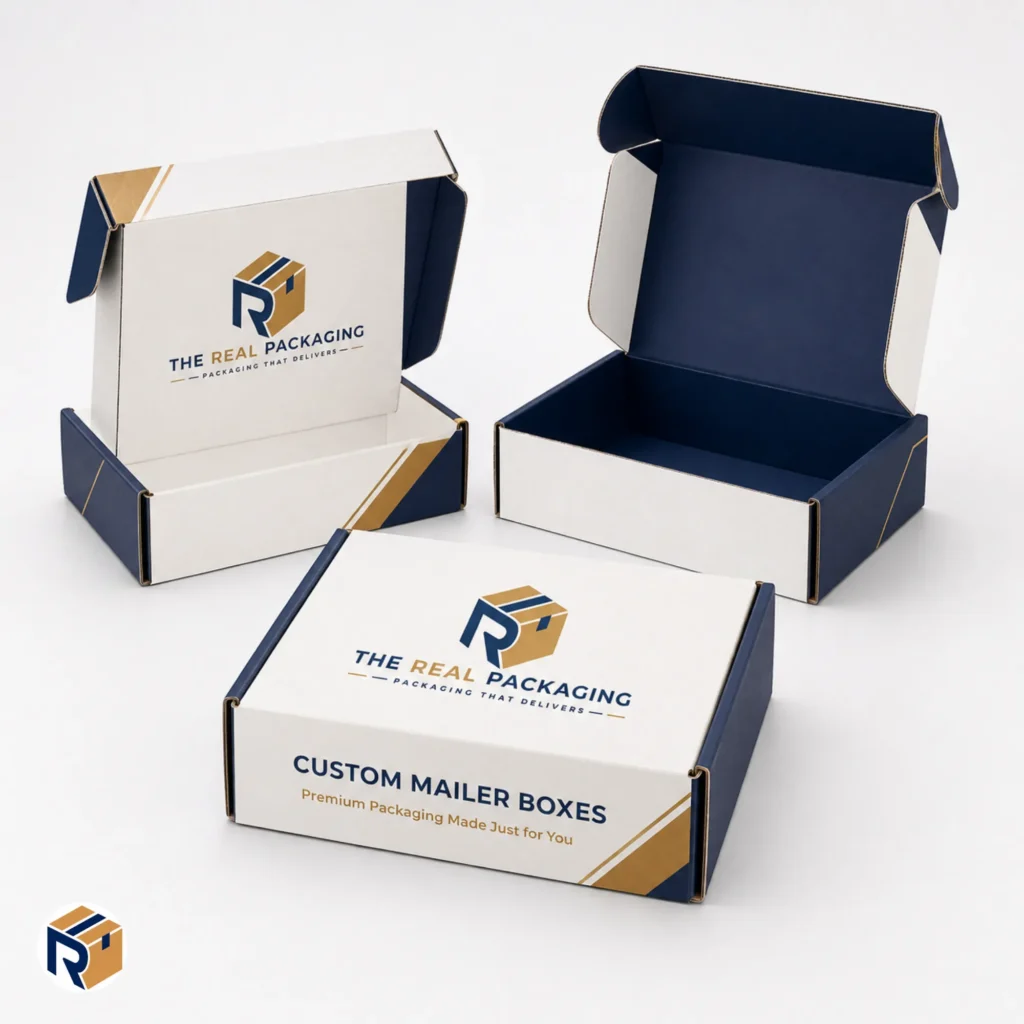
Custom Mailer Boxes
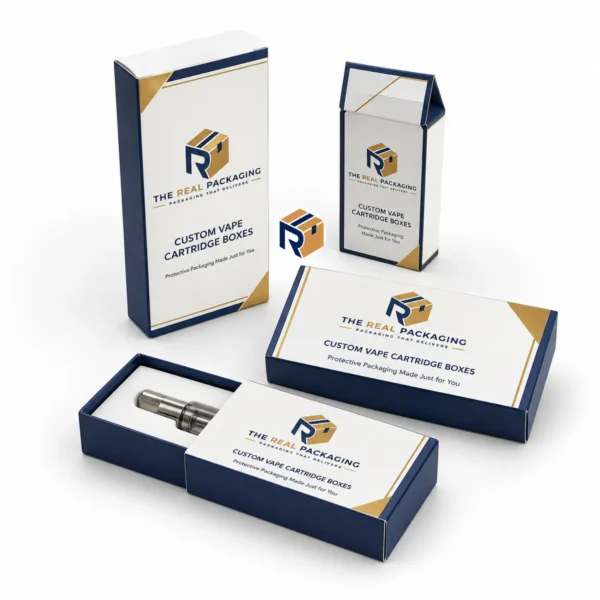
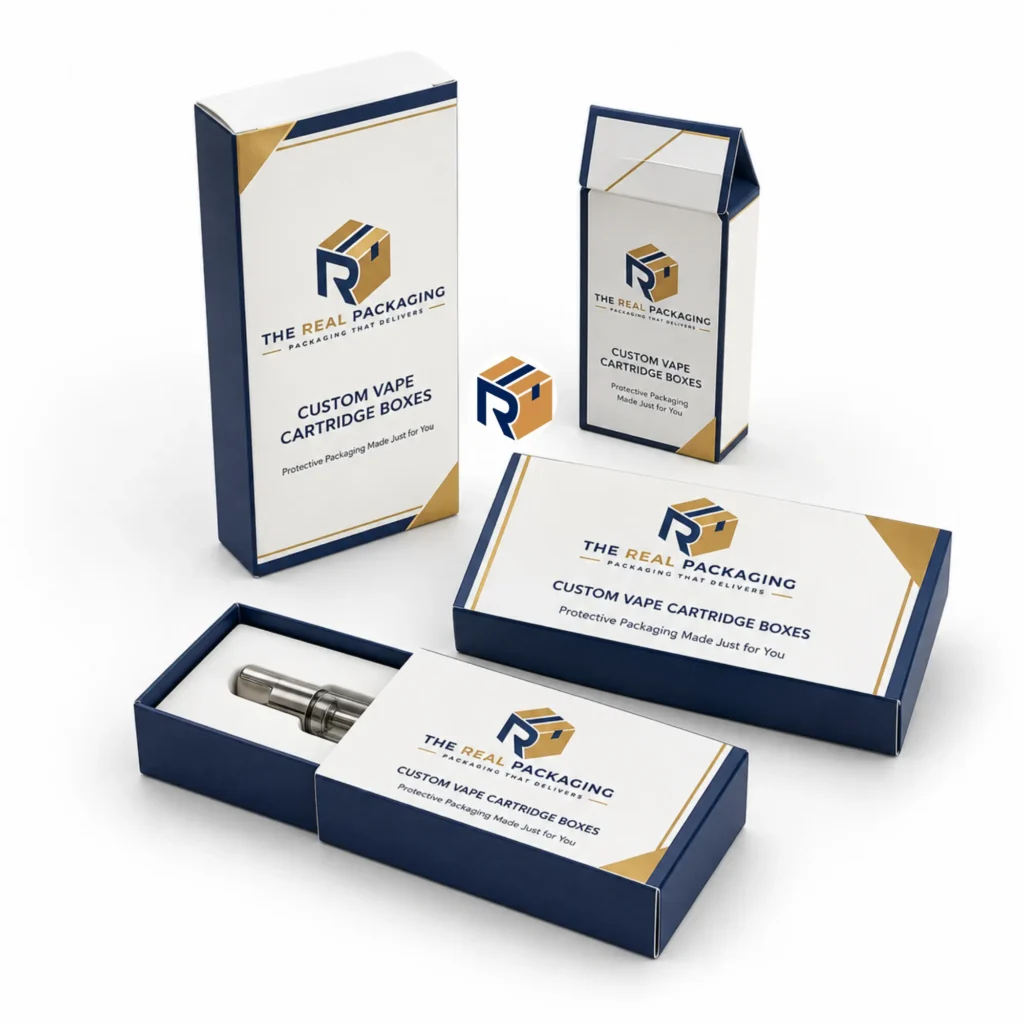
Vape Cartridge Packaging
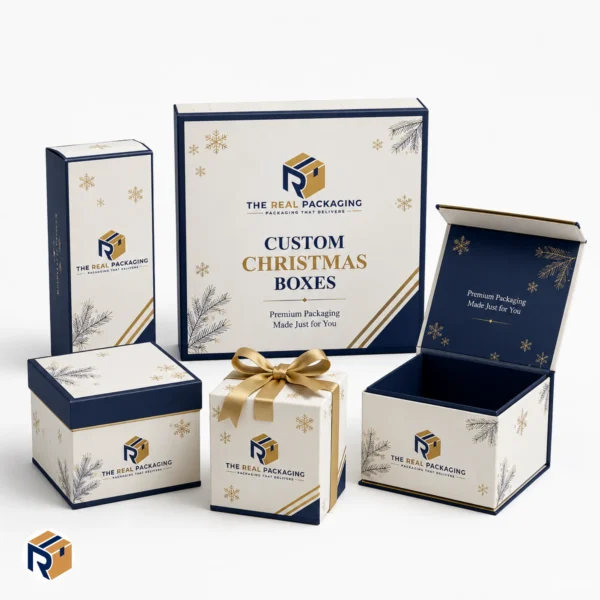
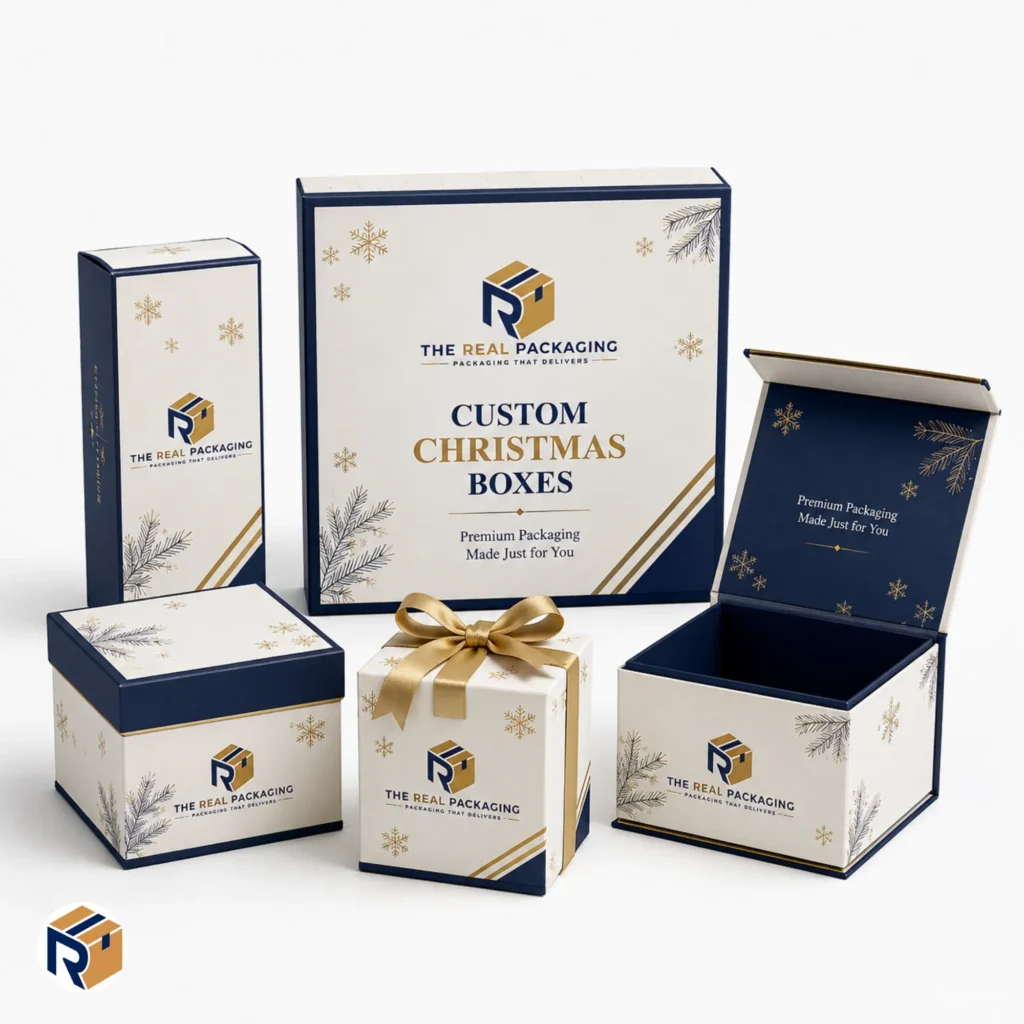
Custom Christmas Boxes
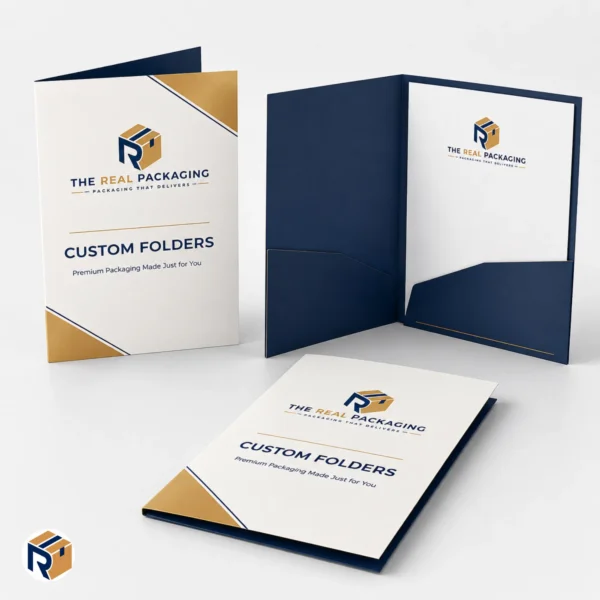
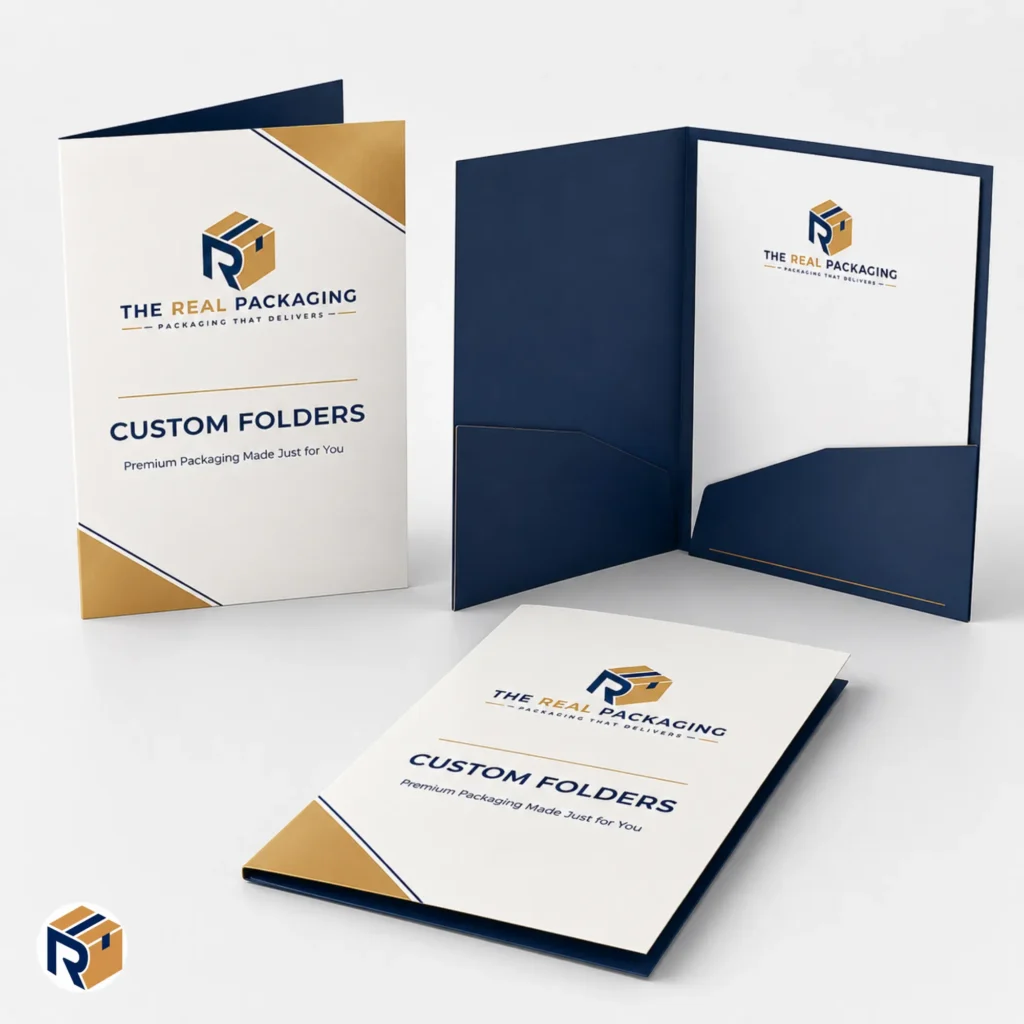
Custom Folders
Custom Mailer Bags
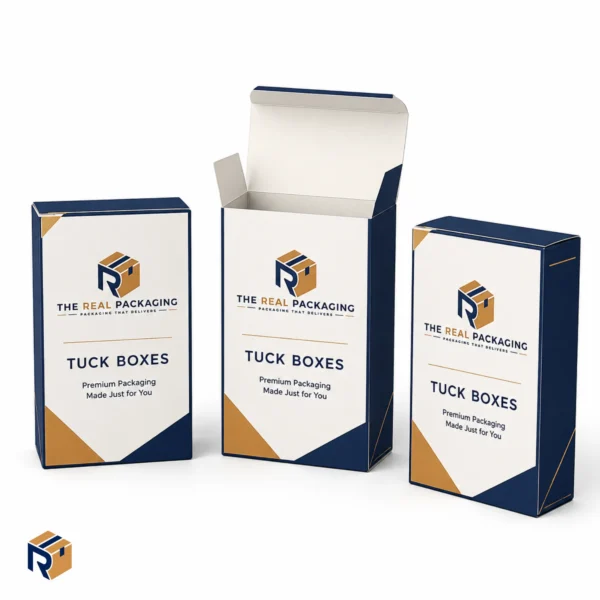
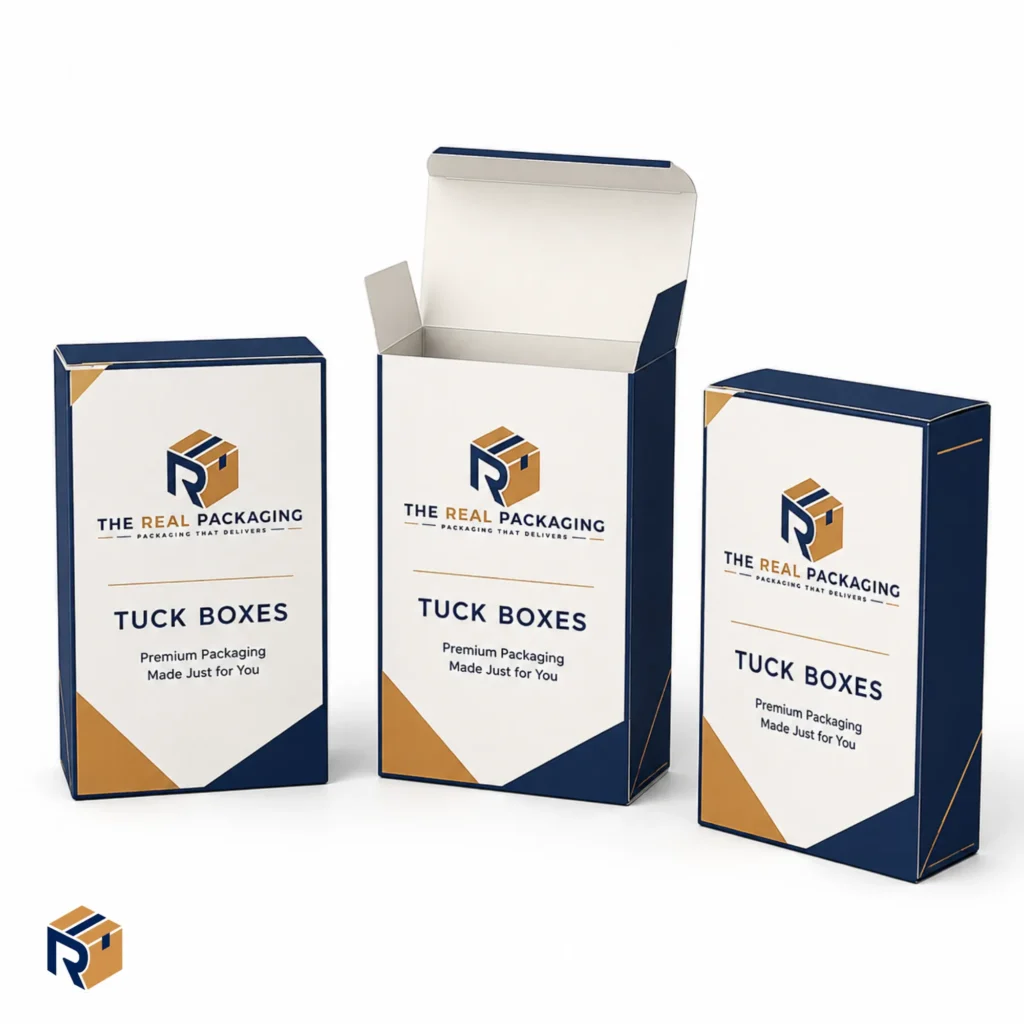
Custom Tuck Boxes
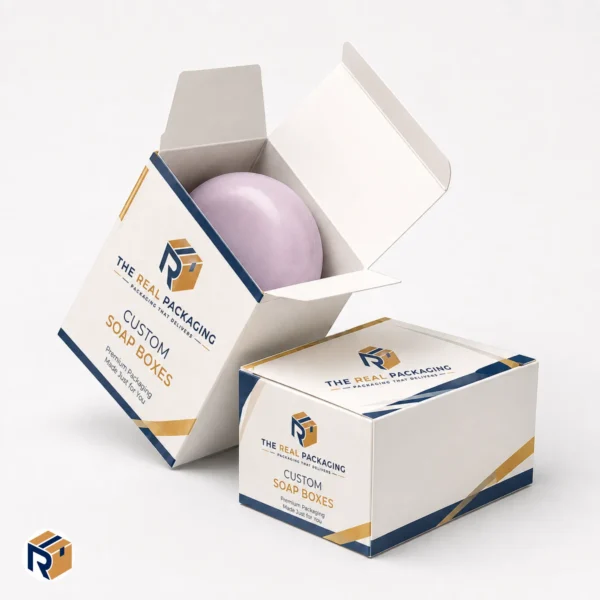
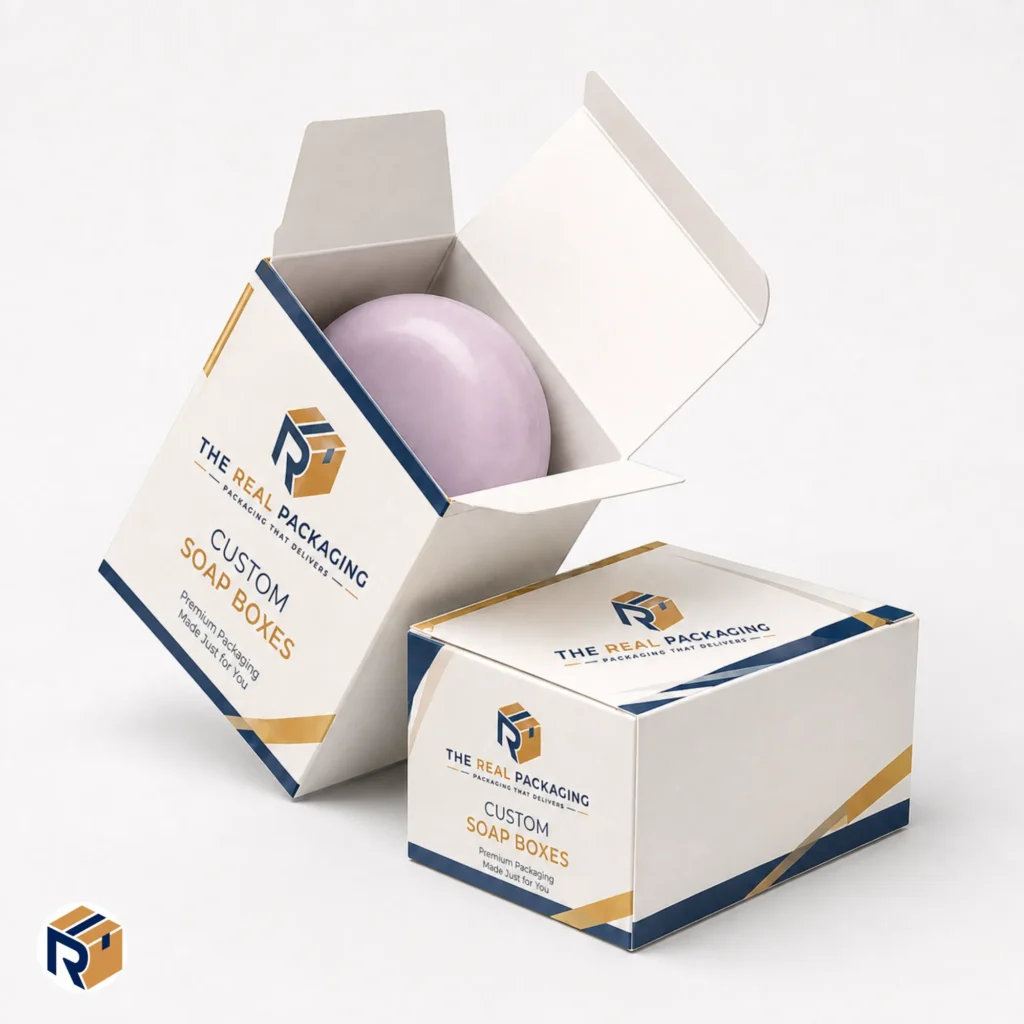
Custom Soap Boxes
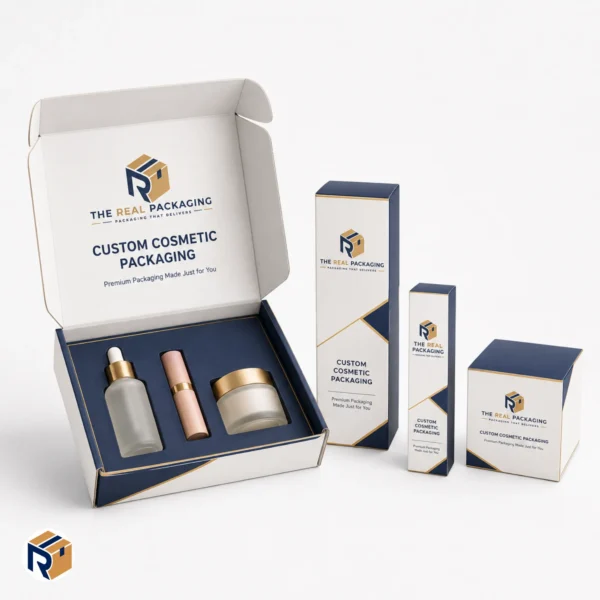
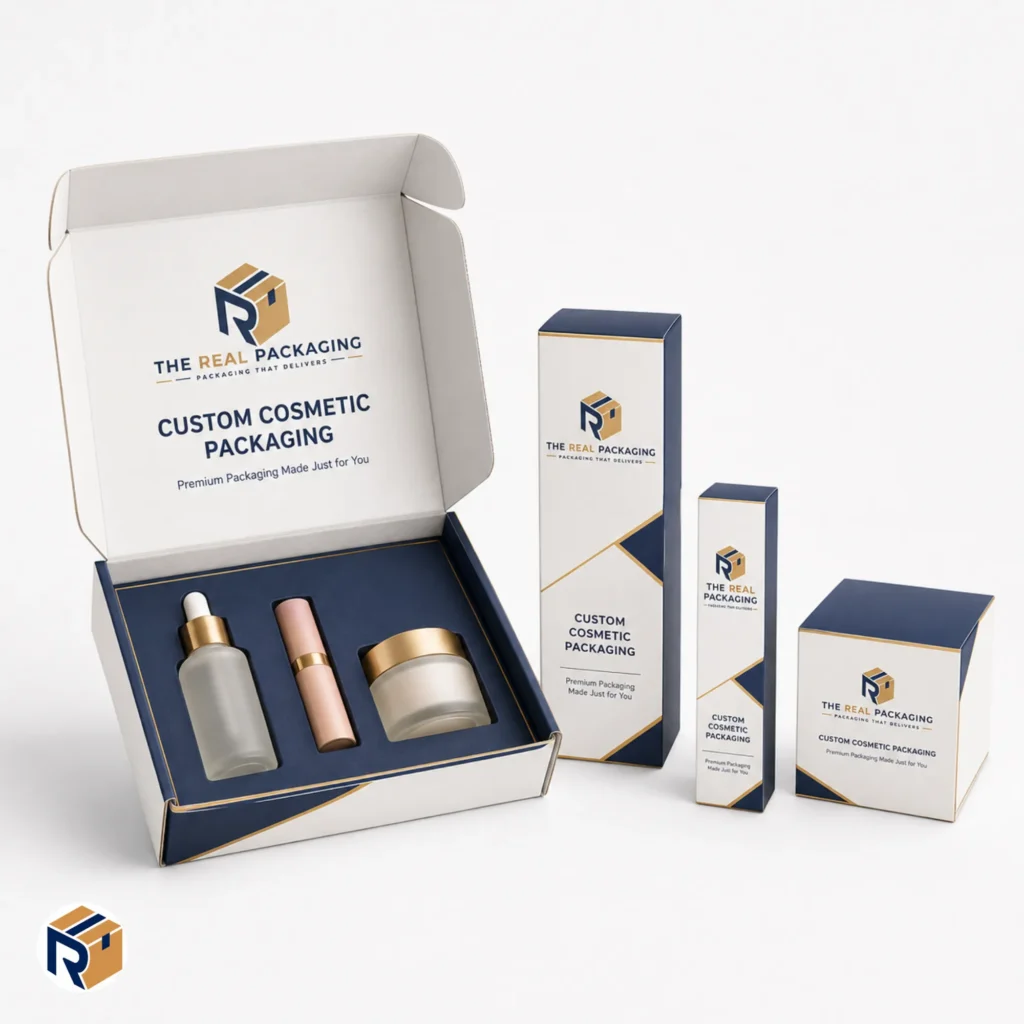
Custom Cosmetic Packaging
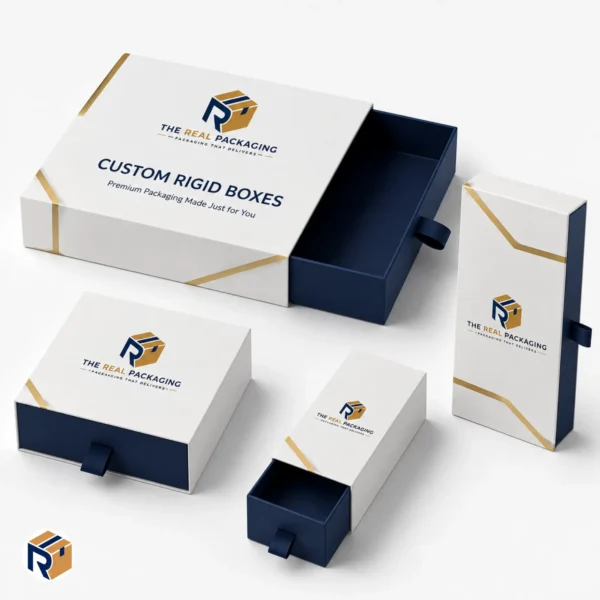
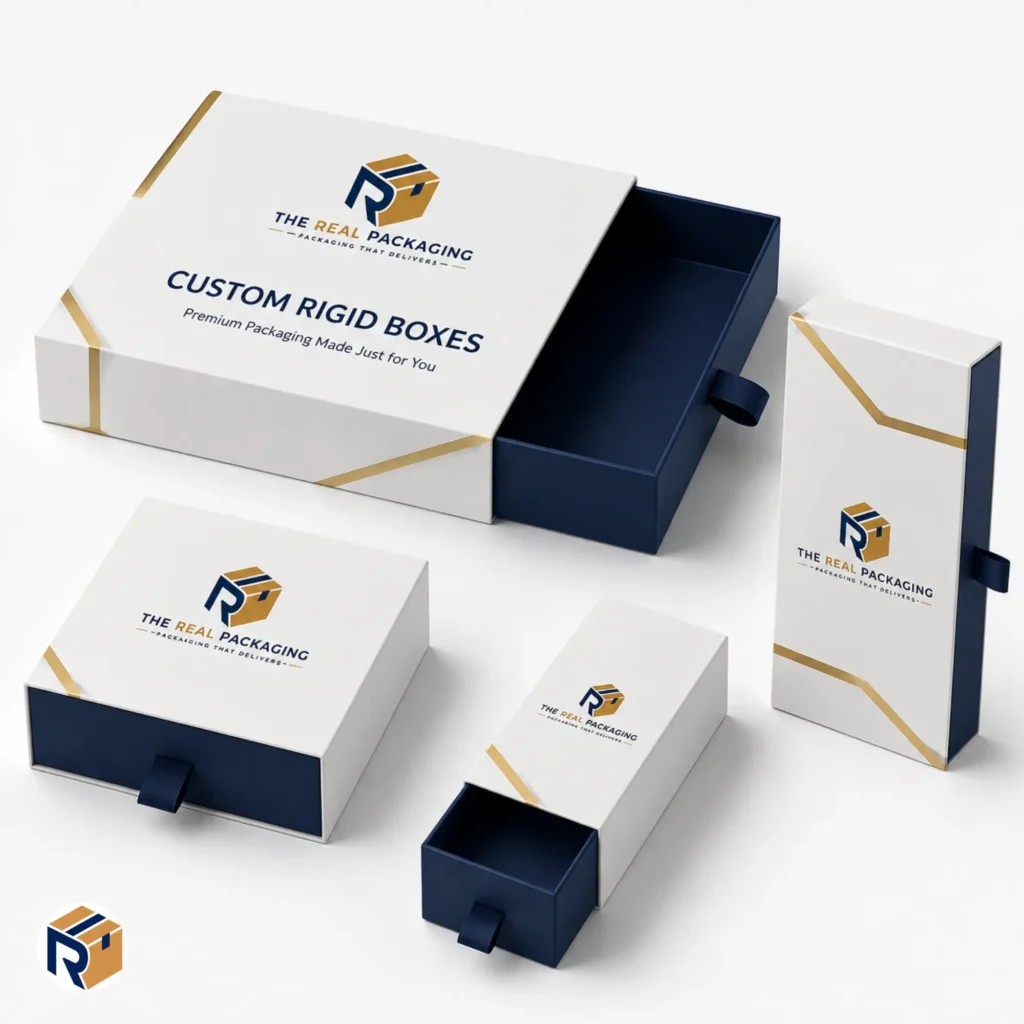
Custom Rigid Boxes
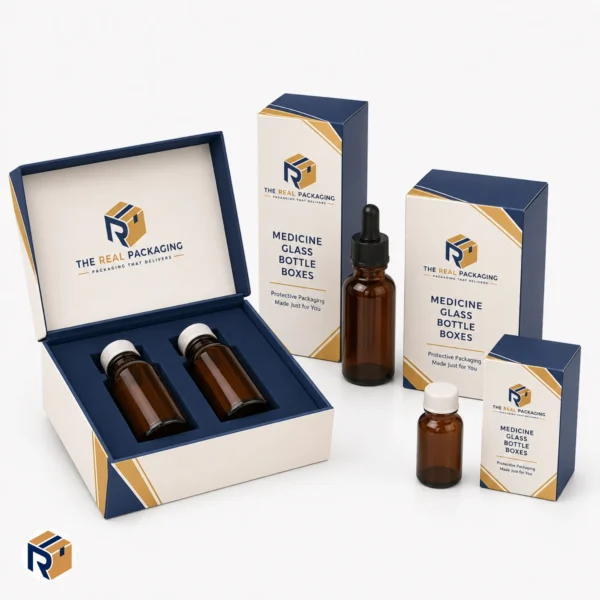
Medicine Glass Bottle Boxes
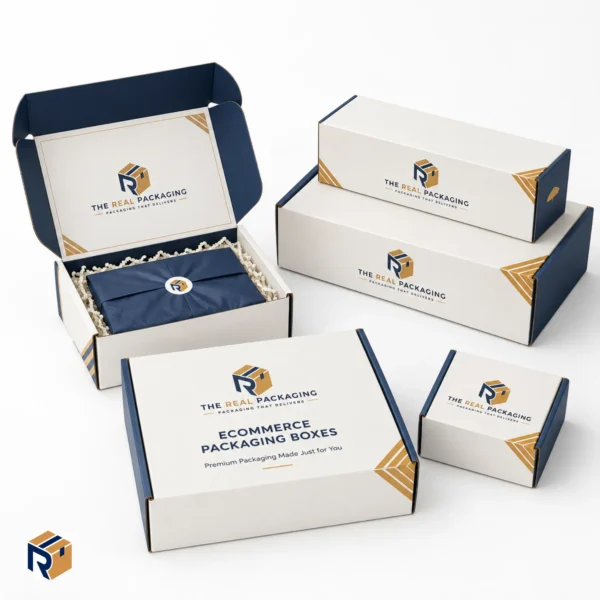
Ecommerce Packaging Boxes
Custom Magnetic Closure Boxes
Custom Packaging Sleeves
Custom Sleeve Boxes
Custom Lip Gloss Boxes
Custom Mailer Boxes
Vape Cartridge Packaging
Custom Christmas Boxes
Custom Folders
Custom Mailer Bags
Custom Tuck Boxes
Custom Soap Boxes
Custom Cosmetic Packaging
Custom Rigid Boxes
Medicine Glass Bottle Boxes
Ecommerce Packaging Boxes
Custom Packaging for Different Products and Industries
Not every product needs the same box. A rigid box may make sense for a premium gift or jewelry product, while a folding carton, mailer, or corrugated structure may make more sense for another product.
The Real Packaging works across product categories where packaging has to balance presentation, fit, handling, and production requirements. Our packaging work can include retail boxes, food packaging, ecommerce and mailer boxes, cosmetic packaging, apparel packaging, jewelry boxes, gift packaging, display boxes, and other custom structures.
The important part is not choosing the most complicated box. It is choosing the structure that fits the actual job.
Why Order Custom Packaging from The Real Packaging?
The difference is in how the packaging decision is made. We don’t treat every custom box as the same job with a different logo printed on top. A candle box, chocolate box, cosmetic carton, mailer, and rigid gift box can have completely different requirements even when the customer uses the same words: “I need custom packaging.”
You can start with finished artwork, or you can start with product dimensions and a packaging idea. We can work from the information available and identify what still needs to be decided before production.
With a 100-unit minimum, no fixed maximum order quantity, multiple material and finishing options, and support for custom structures, the goal is straightforward: get the packaging specification right before the boxes are made.
Discover What We Offer
Outside The Box Packaging Solutions for Your Business
We help you pick the best materials and finishes for your custom packaging
The structure determines how the packaging opens, closes, holds the product, and moves through handling. It also changes how much of the printed surface is visible once the box is assembled.
Depending on the product, packaging can be produced as folding cartons, rigid boxes, mailer boxes, display boxes, drawer-style structures, two-piece boxes, sleeves, and other custom shapes. Inserts can be added when the product needs separation or a more controlled fit.
If you already know the box style you want, send it to us. If you only know the product dimensions and quantity, that’s fine too. We can start from there.
No Compromise on Quality
We help you choose the right materials, sizes, structures, and finishes for your custom packaging.
Attention to Details
Every part of the box matters, from the dieline and folds to the printed panels, inserts, and final finish. Small details can change how the finished package works.
Accurate Sizes
Your product dimensions determine the box size. We work around the actual length, width, height, and fit instead of forcing your product into a standard box.
Long Lasting Materials
The right material depends on how the packaging will be used. Paperboard, kraft, corrugated, and rigid options can be selected based on structure, handling, weight, and presentation.
Consistent Printing
Your logo & artwork need to remain clear across the finished package. CMYK and PMS color references, along with printing methods, can be selected according to the material & design.
Strong Box Structure
A box needs to do more than look good. Its folds, closure, depth, inserts, and overall construction should make sense for the product being packed and how the package will be handled.
Finishes That Fit
Matte, gloss, soft-touch, foil, embossing, debossing, Spot UV, and die-cut windows can change the look and feel of your packaging. The right finish depends on what you actually need.
Materials That Match the Packaging Requirement
Material selection is not just about how the box feels in your hand. Board type, thickness, surface, weight, and structure all affect printing, folding, handling, and presentation.
Common material options include paperboard, kraft paper, corrugated cardboard, and rigid board. Recycled and FSC-certified material options may also be available depending on the packaging specification and sourcing requirements.
For example, a lightweight retail carton and a rigid presentation box have very different structural requirements. Treating them as the same packaging job usually creates unnecessary problems later.
Custom Printing, Finishes, and Brand Details
Your artwork needs to work with the box structure, not sit separately from it. We can work with CMYK or PMS color references where appropriate, along with different printing and finishing combinations based on the packaging material.
Finishing options can include matte or gloss lamination, soft-touch surfaces, foil stamping, embossing, debossing, Spot UV, and die-cut windows. Inserts, ribbons, handles, and other packaging accessories can also be considered when the product calls for them.
And here’s the thing. More finishing does not automatically mean better packaging. A simple structure with the right print and material can make more sense than adding every available effect.
Packaging That Starts With Your Product Dimensions
The first useful information in a custom packaging project is often not the logo. It is the product. Length, width, height, product weight, quantity per box, how the product is placed, and whether the packaging is for retail display or shipping can change the box specification.
This matters especially for products that need inserts, dividers, windows, or additional internal support. A loose fit can leave too much movement inside the package. A tight fit can make packing difficult. The right dimensions sit somewhere between those problems. That’s why we prefer to understand what is going inside the box before the final structure is selected.
Custom Packaging for Small Runs and Large Orders
Our minimum order quantity starts at 100 units, with no fixed maximum order quantity. That gives a business room to start with a smaller packaging run and increase production as the requirement grows.
This is useful for a new product launch, a packaging change, a seasonal run, or an established product that needs recurring packaging production.
The quantity also affects the unit cost, material planning, production method, and shipping requirements. So when you request a quote, send the quantity you actually expect to order rather than using a random number just to get a price.
Production, Rush Orders, and Shipping
Our general production timeframe is 15–25 days. Qualifying rush orders can move in approximately 5–7 days, while the fastest applicable option may be around 3–5 days when confirmed for the specific project.
Production time and shipping time are separate. The Real Packaging offers free shipping and can arrange air freight or sea freight depending on the order and shipping requirements.
If you have a fixed launch date, retail delivery date, or event deadline, tell us before production is confirmed. That gives the packaging team the information needed to check the appropriate production and freight route.
FAQs About The Real Packaging
We help you pick the best materials and finishes for your custom packaging
What is the minimum order for custom packaging boxes?
The Real Packaging starts custom packaging orders at 100 units, with no fixed maximum quantity for larger production requirements.
Can I order boxes without having final artwork?
Yes. You can begin with product dimensions, quantity, box requirements, and your available artwork or concept. Artwork and dieline requirements can then be reviewed before production.
What information should I send for a packaging quote?
Send your product dimensions, quantity, preferred box style, material preference, artwork if available, and deadline. Product weight and shipping requirements can also help determine the specification.
Can custom packaging include inserts or dividers?
Yes. Inserts and dividers can be added when the product needs separation, positioning, or a more controlled internal fit. The appropriate insert material depends on the application.
How long does custom packaging production take?
General production takes about 15–25 days. Qualifying rush orders may take 5–7 days, with approximately 3–5 days possible for certain confirmed projects.
Request a Quote for Custom Packaging Boxes
Send us your product dimensions, quantity, artwork if available, preferred box style, material preference, and required deadline. If you don’t know the exact structure yet, say that. Seriously. You don’t need to know every packaging term before asking for a quote.